Ornamental Plant Flowers by the Lake: Integrating Natural Beauty into Design Workflows
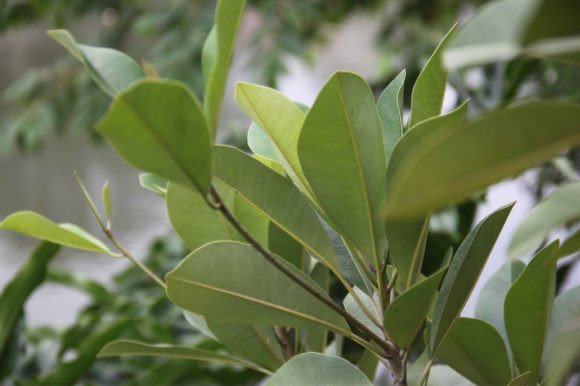
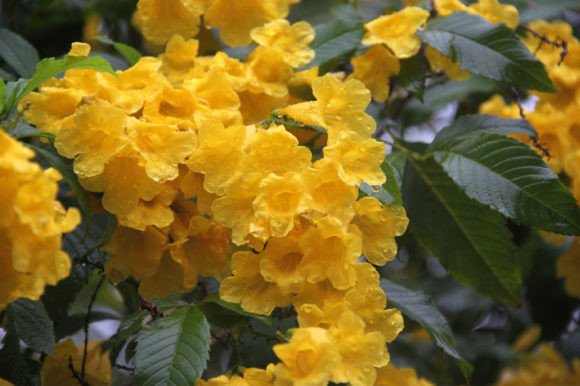
When we consider the role of ornamental plant flowers by the lake, we are not merely discussing static decoration. We are examining a dynamic element of environmental design that requires careful planning, execution, and maintenance. Ornamental plants include all plants, whether in the form of herbs, vines, bushes shrubs, or trees, which are deliberately planted by people as components of parks, home gardens, room decoration, ceremonies, components of makeup clothing, or as components of flower arrangements. Cut flowers can also be included as ornamental plants. Understanding this broad definition is the first step in integrating these natural assets into any professional or personal project effectively.
For professionals in landscape architecture, event planning, or even digital content creation, the presence of water introduces specific variables. The integration of ornamental flora near aquatic environments demands a shift from standard gardening practices to a more specialized workflow. This article explores how to manage these resources efficiently, ensuring that the aesthetic value aligns with practical sustainability and long-term usability.
Assessing Site Conditions and Compatibility
Before selecting specific species, one must evaluate the existing ecosystem. A lake environment presents unique challenges regarding soil saturation, humidity levels, and wind exposure. Successful implementation begins with a thorough site analysis. This phase is critical for determining which ornamental plants will thrive without requiring excessive intervention.
- Soil Permeability: Determine if the ground near the lake edge is clay-heavy or sandy. This affects drainage and root health.
- Light Exposure: Map out sun patterns throughout the day. Water reflects light, which can increase intensity for nearby plants.
- Wind Patterns: Lakes often generate consistent breezes. Tall shrubs or top-heavy flowers may require staking or strategic placement behind windbreaks.
By addressing these factors early, you reduce the risk of plant failure later in the project lifecycle. This proactive approach saves time and resources, aligning with efficient project management principles. It ensures that the chosen ornamental plant flowers by the lake are compatible with their immediate surroundings, reducing the need for corrective measures after installation.
Selecting the Right Species for Your Workflow
Once the site conditions are understood, the selection process begins. This stage involves matching plant characteristics with the intended use case. Are these plants for a public park, a private residence, or a commercial venue? The answer dictates the durability and maintenance requirements of the chosen species.
Herbs and low-lying ground covers work well for erosion control along the banks. They provide a lush, green backdrop that enhances the visual appeal of taller flowering plants. Vines can be trained on trellises or natural structures to create vertical interest, drawing the eye upward and adding depth to the landscape. Bushes and shrubs offer structure and can serve as natural barriers or privacy screens.
Trees provide canopy and shade, creating microclimates that allow more delicate species to survive. When selecting trees, consider their root systems to ensure they do not disrupt the lake’s infrastructure or cause erosion. The goal is to create a layered effect where each plant type supports the others, resulting in a cohesive and resilient ecosystem.
The Role of Cut Flowers and Temporary Installations
Cut flowers play a significant role in short-term projects such as ceremonies, weddings, or corporate events held by the lake. Unlike permanent plantings, cut flowers offer flexibility and immediate impact. They can be sourced locally to reduce carbon footprint and support regional growers. Incorporating cut flowers into your design allows for seasonal variation and thematic consistency.
For event planners, this means coordinating with local florists who understand the specific challenges of outdoor, lakeside settings. Heat and wind can wilt delicate blooms quickly. Therefore, choosing hardy varieties and having a hydration plan in place is essential. This aspect of the workflow requires precise timing and logistics, ensuring that the flowers arrive fresh and are arranged just before the event begins.
Implementation and Installation Strategies
The physical installation of ornamental plants is where planning meets execution. Proper technique ensures longevity and reduces maintenance burdens. Start by preparing the soil with organic matter to improve nutrient retention and drainage. Dig holes that are twice as wide as the root ball but no deeper, allowing roots to spread easily.
Group plants with similar water and light needs together. This practice, known as hydrozoning, simplifies irrigation and care routines. For lakeside installations, pay special attention to the transition zone between land and water. Use native aquatic plants in the shallow areas to filter runoff and provide habitat for wildlife. This not only enhances biodiversity but also contributes to the overall health of the lake.
During installation, maintain a clear record of what was planted where. This documentation serves as a valuable asset for future maintenance teams or homeowners. It helps in identifying plants during pruning or disease treatment phases. Digital tools can be used to map out the garden layout, making it easier to visualize growth patterns over time.
Maintenance and Long-Term Quality Control
Maintenance is an ongoing process that ensures the continued beauty and health of ornamental plant flowers by the lake. Regular monitoring allows for early detection of pests, diseases, or nutrient deficiencies. Establish a routine schedule for watering, fertilizing, and pruning.
- Seasonal Pruning: Remove dead or damaged branches to encourage new growth and maintain shape.
- Weed Management: Keep the area around plants free of weeds to reduce competition for nutrients and water.
- Water Quality Monitoring: Ensure that runoff from fertilizers does not contaminate the lake. Use slow-release or organic fertilizers to minimize this risk.
Consistency is key. Irregular maintenance can lead to overgrown landscapes that obscure views and create safety hazards. By adhering to a structured maintenance plan, you preserve the intended design integrity and enhance the user experience. This approach also extends the lifespan of the plants, providing better return on investment for property owners.
Integrating Ornamental Plants into Broader Projects
Beyond landscaping, ornamental plants influence various aspects of human activity. In interior design, potted plants from lakeside gardens can bring a sense of tranquility to indoor spaces. They serve as natural air purifiers and stress reducers, contributing to employee well-being in office environments. For marketers and creators, these elements provide authentic backdrops for photography and video content, enhancing brand storytelling with natural aesthetics.
In educational settings, lakeside gardens offer hands-on learning opportunities for students studying biology, ecology, and environmental science. They serve as living laboratories where theoretical concepts can be observed in real-time. Educators can develop curricula around plant identification, ecosystem dynamics, and conservation practices.
For small business owners, such as cafes or boutique hotels located near lakes, incorporating ornamental plants into their outdoor seating areas can attract customers. The ambiance created by blooming flowers and lush greenery encourages patrons to stay longer and engage more deeply with the brand. This strategic use of nature translates directly into improved customer satisfaction and loyalty.
Optimizing for Efficiency and Sustainability
To maximize efficiency, consider using automated irrigation systems equipped with moisture sensors. These systems adjust watering schedules based on real-time soil conditions, preventing overwatering and conserving resources. Additionally, mulching around plants helps retain moisture, suppress weeds, and regulate soil temperature.
Sustainability should be a core principle in any lakeside planting project. Choose native species whenever possible, as they are adapted to local conditions and require fewer inputs. Avoid invasive species that could disrupt the local ecosystem. By prioritizing sustainability, you contribute to the preservation of natural habitats while creating beautiful, functional spaces.
Ultimately, the successful integration of ornamental plant flowers by the lake depends on a holistic approach that combines aesthetic vision with practical execution. By understanding the specific needs of these plants and aligning them with your project goals, you can create enduring landscapes that enhance both environment and experience. Whether for personal enjoyment or professional application, the thoughtful inclusion of nature’s beauty remains a powerful tool in any designer’s arsenal.