Ornamental Plants by the Lake: Cultivating Aesthetic Value in Waterfront Landscapes
The intersection of hydrology and horticulture creates some of the most visually compelling environments in modern landscape design. Ornamental plants by the lake represent more than mere decoration; they are strategic components of ecological balance, property valuation, and psychological well-being. As urbanization intensifies and digital fatigue grows, the demand for serene, naturalistic spaces has surged. This shift has elevated the role of ornamental flora from passive background elements to active participants in lifestyle branding, real estate development, and environmental stewardship.
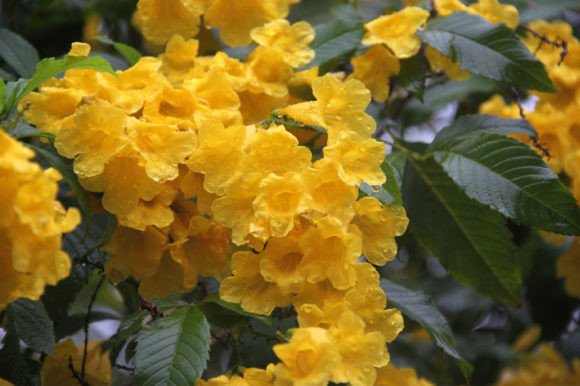
To understand the significance of these plantings, one must first broaden the definition of what constitutes an ornamental plant. Ornamental plants include all plants, whether in the form of herbs, vines, bushes shrubs, or trees, which are deliberately planted by people as components of parks, home gardens, room decoration, ceremonies, components of makeup clothing, or as components of flower arrangements. Cut flowers can also be included as ornamental plants. When applied to a lakeside context, this definition expands to include riparian buffers, floating aquatic species, and structural shoreline vegetation that serves both aesthetic and functional purposes.
The Strategic Role of Lakeside Flora in Modern Design
In contemporary landscape architecture, the placement of ornamental plants by the lake is rarely arbitrary. It is a calculated decision driven by multiple factors, including erosion control, water quality management, and visual framing. For professionals in the green industry, understanding these dynamics is crucial. The market no longer responds to generic landscaping; clients seek curated experiences that reflect specific aesthetic values while adhering to sustainable practices.
Consider the workflow of a high-end residential developer. The goal is not simply to cover bare soil but to create a narrative. A carefully selected mix of native grasses, flowering perennials, and structural shrubs can transform a muddy bank into a vibrant ecosystem. This approach aligns with broader consumer trends favoring biodiversity and low-maintenance beauty. Homeowners and commercial entities alike are moving away from resource-intensive lawns toward diverse plant communities that require less irrigation and chemical input.
Integrating Aesthetics with Ecological Function
The most successful lakeside projects seamlessly blend beauty with biology. Ornamental plants serve as biofilters, absorbing excess nutrients such as nitrogen and phosphorus before they enter the water body. This function is critical in preventing algal blooms and maintaining water clarity. However, the selection process must be rigorous. Not all ornamental species are suitable for wet soils or fluctuating water levels.
- Root Structure: Plants with dense, fibrous root systems stabilize soil effectively, reducing sediment runoff.
- Tolerance Levels: Species must withstand periodic flooding and drought conditions typical of lake margins.
- Visual Impact: Seasonal interest ensures the landscape remains engaging year-round, from spring blossoms to autumn foliage.
For entrepreneurs in the landscaping sector, offering expertise in these areas provides a competitive edge. Clients are increasingly educated about environmental issues and expect their service providers to offer solutions that are both beautiful and responsible. This shift requires a deeper knowledge base, moving beyond traditional horticulture into the realm of ecological engineering.
Market Trends Driving Demand for Lakeside Ornamentals
The growing attention paid to ornamental plants by the lake reflects larger societal shifts. As remote work becomes entrenched, individuals are investing more heavily in their immediate surroundings. The home garden has evolved into a multi-functional space for relaxation, entertainment, and productivity. Lakeside properties, in particular, offer a unique value proposition: the calming effect of water combined with the restorative power of nature.
This trend is evident in the rising sales of native plants and specialized aquatic ornamentals. Nurseries and garden centers are expanding their inventories to meet this demand, often partnering with landscape designers to provide comprehensive packages. The integration of technology also plays a role. Smart irrigation systems and soil sensors allow for precise management of moisture levels, ensuring that ornamental plantings thrive without waste.
Furthermore, the hospitality industry is leveraging lakeside aesthetics to enhance guest experiences. Resorts and boutique hotels are investing in lush, immersive landscapes that encourage outdoor engagement. These installations often feature dramatic specimen trees, vibrant flower beds, and textured ground covers that create photogenic backdrops for social media sharing. In this context, ornamental plants become marketing assets, driving brand visibility and customer satisfaction.
Changing Preferences in Plant Selection
Consumer preferences are shifting toward authenticity and regional identity. There is a declining interest in exotic, high-maintenance species that struggle in local climates. Instead, there is a growing appreciation for native ornamentals that support local wildlife, including pollinators and birds. This preference aligns with the broader movement toward regenerative landscaping, which seeks to restore ecological health rather than merely decorate it.
- Native Grasses: Species like switchgrass and little bluestem provide texture and movement, mimicking natural prairies.
- Flowering Perennials: Plants such as cardinal flower and joe-pye weed attract butterflies and bees while adding vibrant color.
- Shrubs and Small Trees: Dogwoods and serviceberries offer seasonal interest and structural diversity.
For marketers and content creators in the green industry, highlighting these benefits is essential. Storytelling that connects plant choices to environmental outcomes resonates with today’s conscious consumers. Emphasizing the role of ornamental plants in supporting biodiversity can differentiate a brand and build loyalty among environmentally aware clients.
Practical Applications for Professionals and Enthusiasts
Implementing effective lakeside planting strategies requires a nuanced understanding of site conditions. Soil composition, water depth, and sunlight exposure all influence plant performance. Professionals must conduct thorough site assessments before selecting species. This process involves analyzing soil pH, testing drainage rates, and observing existing vegetation patterns.
One practical observation is the importance of layering. A successful lakeside garden typically includes three distinct zones: the upland area, the transition zone, and the aquatic margin. Each zone requires different plant types. Upland areas may support traditional ornamental trees and shrubs, while the transition zone benefits from moisture-loving perennials. The aquatic margin is best suited for emergent plants that can tolerate saturated soils.
Additionally, maintenance protocols must be adapted to the lakeside environment. Regular monitoring for invasive species is crucial, as disturbed shorelines are vulnerable to colonization by non-native weeds. Integrated pest management strategies should prioritize biological controls over chemical interventions to protect water quality. For freelancers and consultants, offering ongoing maintenance plans can create recurring revenue streams while ensuring long-term project success.
The Future of Lakeside Landscaping
Looking ahead, the role of ornamental plants by the lake will continue to expand. Climate change is altering precipitation patterns and increasing the frequency of extreme weather events. Resilient landscaping will become even more critical, with ornamental plants playing a key role in flood mitigation and heat island reduction. Innovations in plant breeding are producing new varieties with enhanced tolerance to stressors, providing designers with more tools to create durable and beautiful spaces.
Moreover, the integration of art and nature is gaining traction. Sculptural elements, lighting, and hardscape features are being combined with ornamental plantings to create immersive installations. These projects blur the lines between garden and gallery, appealing to audiences who value cultural enrichment alongside natural beauty. For entrepreneurs, this convergence offers opportunities for collaboration with artists, architects, and event planners.
In conclusion, the strategic use of ornamental plants in lakeside settings represents a sophisticated response to contemporary needs. It addresses desires for beauty, sustainability, and well-being while contributing to ecological health. For professionals, creators, and enthusiasts, mastering this domain requires a blend of horticultural knowledge, design sensibility, and environmental awareness. By embracing these principles, stakeholders can create landscapes that are not only visually stunning but also resilient and meaningful.
As the industry evolves, those who prioritize context, relevance, and ecological integrity will lead the way. The lake is not just a backdrop; it is a dynamic partner in the design process. Ornamental plants are the medium through which this partnership is expressed, transforming static views into living, breathing ecosystems that enrich human experience and support planetary health.