A Lawn of Green Bushes: Rethinking Traditional Landscaping for Modern Homes
For decades, the quintessential image of a well-maintained residential property has been a sprawling expanse of manicured grass. However, a significant shift is occurring in landscape design. Homeowners and professional landscapers are increasingly turning toward a lawn of green bushes as a viable, sustainable, and aesthetically striking alternative to traditional turf. This approach does not merely replace grass with random shrubs; it involves a deliberate arrangement of low-growing foliage, hedges, and ground covers that mimic the uniformity of a lawn while offering the resilience and texture of woody plants.
Understanding this transition requires looking beyond simple aesthetics. It involves evaluating maintenance requirements, environmental impact, and the specific functional needs of your outdoor space. Whether you are designing a new front yard or renovating a neglected backyard, considering a bush-dominated landscape can provide unique benefits that grass simply cannot match.
Defining the Concept: More Than Just Shrubs
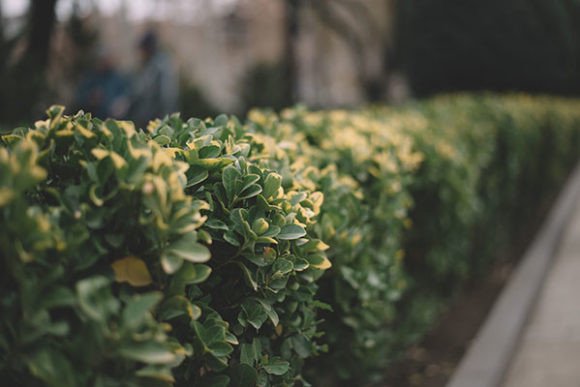
When we discuss a lawn of green bushes, we are referring to a landscaping technique where the primary ground cover consists of dense, low-profile shrubs rather than monoculture grass. This style often utilizes plants like boxwood, creeping juniper, dwarf mondo grass, or various types of ivy and periwinkle. The goal is to create a continuous carpet of foliage that provides visual cohesion similar to a meadow or parkland, but with greater structural integrity.
Unlike a traditional garden filled with disparate flower beds and isolated trees, this approach emphasizes uniformity and texture. The green hue remains consistent throughout the seasons, particularly if evergreen species are selected. This creates a lush, natural backdrop that enhances the exterior of a house without the high water demands of a pristine turf lawn. It is a form of landscaping that prioritizes long-term stability over seasonal novelty.
Comparing Turf Grass vs. Green Bush Ground Covers
To make an informed decision, it is essential to compare traditional grass lawns with bush-based alternatives across several key metrics. Each option serves different lifestyles and environmental conditions.
Maintenance and Labor
Traditional grass requires frequent mowing, edging, fertilizing, and aerating. In contrast, a lawn of green bushes typically requires less frequent intervention once established. While initial planting is labor-intensive, mature shrubs need only occasional pruning to maintain shape. There is no weekly mowing, which reduces both physical labor and noise pollution in your neighborhood. However, it is important to note that "low maintenance" does not mean "no maintenance." Weeding between young plants and ensuring proper irrigation during the establishment phase are critical tasks.
Water Usage and Environmental Impact
One of the most compelling arguments for switching to shrub ground covers is water conservation. Many traditional turf grasses are thirsty and require significant irrigation to stay fresh and green during hot summer months. Drought-tolerant shrubs, once rooted, often survive on rainfall alone in many climates. This reduction in water usage supports local environment health and lowers utility bills. Furthermore, diverse plantings support local biodiversity better than monoculture grass, providing habitat for beneficial insects and small wildlife.
Aesthetic Longevity and Seasonal Change
Grass lawns can turn brown and dormant during extreme heat or cold, losing their visual appeal. A well-designed bush lawn, particularly one using evergreens, maintains its beautiful appearance year-round. The texture of leaf and stem adds depth to the landscape that flat grass lacks. However, grass offers a soft, open space ideal for play, whereas a bush lawn is generally not suitable for high-traffic activities like soccer or barefoot running. This distinction is crucial for families with young children or pets.
Best-Fit Situations for a Bush-Dominated Landscape
Not every property is suited for this style. Evaluating your specific context will help determine if this approach aligns with your goals.
- Sloped or Difficult Terrain: Grass is difficult to mow on steep slopes and prone to erosion. Low-growing shrubs stabilize soil effectively and eliminate the danger of operating machinery on inclines.
- Shaded Areas: Many traditional grasses struggle in deep shade under large trees. Shade-tolerant shrubs and ground covers thrive in these conditions, filling in bare patches with vibrant foliage.
- Water-Restricted Regions: In areas with strict watering limits or arid climates, replacing thirst-heavy turf with drought-resistant bushes is a practical and often necessary choice.
- Low-Traffic Zones: Front yards, side yards, and decorative backyard borders are ideal. These areas prioritize curb appeal and design over recreational utility.
Potential Limitations and Tradeoffs
While the benefits are substantial, there are tradeoffs to consider. The initial cost of installing a lawn of green bushes is significantly higher than seeding or sodding grass. Purchasing numerous plants and preparing the soil requires a larger upfront investment. Additionally, the establishment period can take one to two years before the plants fill in completely. During this time, mulch or temporary ground cover may be needed to suppress weeds.
Another consideration is the permanence of the design. Moving a shrub is far more difficult than reseeding a patch of grass. If you anticipate major changes to your property layout in the near future, a flexible grass lawn might be more appropriate. Furthermore, some homeowners associations (HOAs) have strict guidelines regarding front yard appearances, so checking local regulations is a necessary step before proceeding.
Design Tips for a Cohesive Look
To achieve the look of a unified lawn rather than a scattered garden, selection and placement are key. Choose plants with similar growth habits and heights. Mixing vastly different textures can look chaotic unless done by a skilled designer. For a clean, modern look, consider using a single species of dwarf shrub. For a more natural, park-like feel, mix complementary varieties that share similar color palettes.
Incorporate hardscaping elements such as stone pathways or wooden decks to break up the greenery and provide functional walking surfaces. This prevents soil compaction around the plants and adds visual interest. Lighting also plays a crucial role; uplighting can highlight the texture of the shrub leaves at night, extending the enjoyment of your outdoor space into the evening.
Making the Right Choice for Your Home
Transitioning to a lawn of green bushes is not just a trend; it is a thoughtful response to changing environmental conditions and lifestyle preferences. It offers a fresh perspective on what a yard can be. By weighing the higher initial cost against long-term savings in water and labor, you can determine if this style fits your budget and values.
If you value a soft surface for play and prefer a traditional aesthetic, grass may remain the best option. However, if you seek a landscaped environment that is resilient, water-wise, and visually textured throughout the year, exploring bush-based ground covers is a wise move. Consult with local nursery experts or landscape architects to select species native to your region. This ensures that your new green space thrives with minimal intervention, creating a sustainable and beautiful extension of your home.
Ultimately, the decision depends on how you intend to use your land. By understanding the distinct characteristics of both options, you can create an exterior that reflects your personal style while respecting the natural environment. Whether you choose a pristine hedge, a creeping ground cover, or a mixed flora bed, the goal is a harmonious balance between nature and design.