Understanding the Brushed Native American Canoe: A Digital Art Resource for Cultural Design
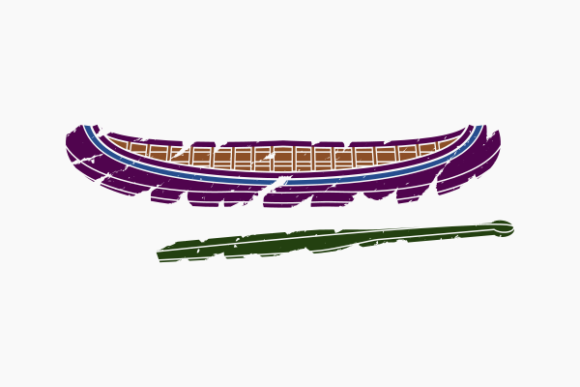
The intersection of traditional history and modern digital design offers a unique opportunity to preserve cultural narratives while creating visually striking artwork. One such resource that bridges this gap is the Brushed Native American Canoe and Paddle illustration. This specific type of digital asset, often distributed as an editable SVG vector, captures the essence of indigenous watercraft through a distinctive brush-stroke aesthetic. For designers, educators, and history enthusiasts, understanding how to utilize these assets effectively can enhance projects related to transportation, traditional culture, and historical storytelling.
The Significance of the Native American Canoe in History
Before diving into the technical aspects of the digital file, it is crucial to appreciate the subject matter itself. The canoe was not merely a vessel; it was a lifeline for many Native American tribes across North America. Crafted from birch bark, dugout logs, or sewn planks, these boats were engineering marvels adapted to specific environments, from the rushing rivers of the Pacific Northwest to the calm lakes of the Northeast.
When we use imagery of a Native American canoe with paddle, we are invoking a deep sense of heritage, resilience, and harmony with nature. In modern design, representing this history accurately and respectfully is paramount. The brushed style of the vector illustration discussed here serves a specific purpose: it mimics the organic, hand-crafted nature of the original vessels. Unlike rigid, geometric computer graphics, brush strokes convey movement, fluidity, and a human touch, making them ideal for projects that aim to evoke emotion and historical authenticity.
Why Choose a Brush Stroke Style?
The choice of a brush strokes style for this illustration is not arbitrary. It aligns with the artistic traditions of many indigenous cultures, which often favor organic lines and natural motifs over strict symmetry. This aesthetic choice makes the image versatile for various applications:
- Educational Materials: Textbooks and e-learning modules benefit from images that feel approachable and artistic rather than sterile.
- Cultural Heritage Projects: Museums and historical societies can use these visuals to create engaging displays that respect the artisanal roots of the subject.
- Branding and Identity: Businesses focused on outdoor gear, eco-tourism, or sustainable products can leverage this imagery to communicate a connection to nature and tradition.
Technical Breakdown: Working with Editable SVG Vectors
For those new to digital design, the term SVG (Scalable Vector Graphics) might seem intimidating. However, it is one of the most powerful formats for modern web and print design. Unlike raster images (such as JPEGs or PNGs) which are made of pixels and can become blurry when enlarged, SVGs are based on mathematical paths. This means you can scale the Native American canoe illustration to the size of a billboard or a business card without losing any quality.
The "editable" nature of this specific vector file is its greatest strength. It allows designers to deconstruct the image, change colors, adjust line weights, or isolate specific elements like the paddle or the hull. This flexibility is essential for customizing the design to fit specific brand guidelines or thematic requirements.
Why Inkscape is the Recommended Tool
While many professional designers use Adobe Illustrator, the recommendation to use Inkscape for editing this file is both practical and accessible. Inkscape is a free, open-source vector graphics editor that is highly capable of handling SVG files. It is an excellent choice for beginners who want to learn vector editing without the barrier of expensive subscription fees.
Here is why Inkscape is particularly suited for this task:
- Native SVG Support: Inkscape uses SVG as its native file format, ensuring maximum compatibility and ease of editing.
- Path Editing Tools: The software offers robust tools for manipulating the brush stroke paths, allowing you to smooth out lines or add texture easily.
- Community Resources: As an open-source platform, there is a vast community providing tutorials specifically for editing cultural and historical vectors.
To get started, simply download the ZIP file containing the assets. Extract the SVG file and open it directly in Inkscape. You will see the canoe and paddle composed of various paths. You can select individual parts using the "Select and Transform Objects" tool (F1) and change their fill or stroke properties via the "Fill and Stroke" menu (Shift+Ctrl+F).
Practical Applications in Modern Design
Understanding the tool is only half the battle; knowing how to apply the asset is where creativity thrives. The Brushed Native American Canoe vector is not limited to historical reenactment posters. Its versatility allows it to fit into contemporary contexts seamlessly.
Transportation and Logistics Branding: Companies involved in river transport, kayaking rentals, or eco-friendly logistics can use this iconography to suggest reliability and a deep respect for waterways. The paddle element, in particular, symbolizes direction, effort, and forward momentum.
Educational Infographics: When teaching about indigenous history or early American transportation, this vector can serve as a central visual anchor. Because it is editable, educators can label parts of the canoe, animate the paddle movement in presentation software, or create simplified versions for younger students.
Textile and Product Design: The high-resolution PNG included in the ZIP package is perfect for direct-to-garment printing. The brush stroke style translates beautifully onto fabrics, making it suitable for t-shirts, tote bags, and home decor items that celebrate outdoor lifestyles.
Common Misunderstandings About Cultural Imagery
It is important to address a common assumption: that all indigenous imagery is interchangeable. In reality, canoe designs varied significantly between tribes and regions. While this brushed vector is a stylized representation, users should strive to contextualize it correctly. If you are designing for a specific tribal nation, it is advisable to research their specific boat-building traditions to ensure your accompanying text and design elements are accurate and respectful.
Using generic "native" styles without context can lead to cultural erasure. Therefore, treat this vector as a starting point for broader education. Use it to spark conversations about the diversity of Native American engineering and artistry, rather than as a monolithic symbol.
File Formats and Usage Guide
The attached ZIP file provides a comprehensive suite of formats to ensure you can use the illustration regardless of your technical setup or end-use case. Understanding when to use each format is key to efficient workflow:
- SVG: Use this for web design, logos, and any project requiring scalability. It is the primary file for editing in Inkscape.
- EPS: Ideal for professional printing services and older vector software like CorelDRAW. It ensures compatibility with industry-standard print workflows.
- PDF: Perfect for document embedding, such as reports, eBooks, or printable flyers where the image needs to remain sharp but not necessarily editable by the end-user.
- High-Resolution PNG: Best for quick use in social media posts, PowerPoint presentations, or any scenario where you need a transparent background without vector editing skills.
Conclusion
The Brushed Native American Canoe and Paddle vector illustration is more than just a graphic element; it is a bridge between past and present. By leveraging tools like Inkscape and understanding the cultural weight of the subject matter, designers can create work that is both visually appealing and deeply meaningful. Whether you are building a website for a historical society, designing packaging for an outdoor brand, or creating educational content, this resource offers the flexibility and aesthetic quality needed to stand out.
Remember, the power of vector art lies in its adaptability. Do not be afraid to experiment with colors, textures, and compositions. By respecting the origins of the design and utilizing the technical capabilities of SVG files, you can contribute to a richer, more informed visual landscape that honors traditional culture while embracing modern creativity.