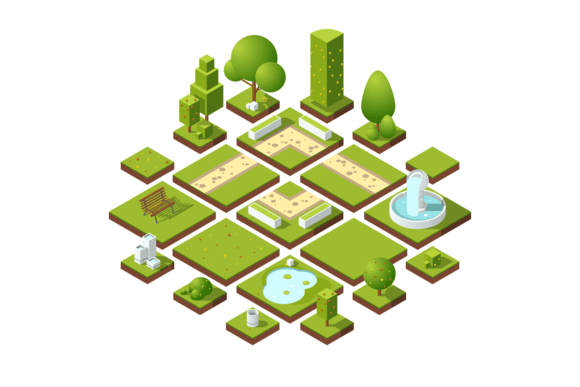
Strategic Visual Planning with Isometric Urban Elements and Garden Deco
In the realm of digital design and urban planning visualization, clarity is currency. Whether you are a landscape architect presenting to a municipal board, a game developer building immersive cityscapes, or a marketer creating infographics for smart-city initiatives, the ability to communicate spatial relationships quickly is paramount. This is where Isometric Urban Elements and Garden Deco become more than just aesthetic assets; they transform into strategic tools for communication and decision-making.
Unlike perspective drawings that can distort scale or orthographic plans that lack depth, isometric illustrations offer a unique middle ground. They provide a three-dimensional view without vanishing points, allowing viewers to understand the proportion and placement of objects like benches, fountains, trees, and bushes with immediate intuitive grasp. When utilized intentionally, this vector illustration set serves as a foundational layer for effective visual storytelling in outdoor landscape design.
The Strategic Value of Standardized Visual Assets
Many professionals underestimate the operational efficiency gained from using a cohesive library of urban decoration elements. When you rely on ad-hoc creation or mismatched stock images, you introduce visual noise that distracts from the core message. A unified set of isometric assets ensures consistency in lighting, scale, and style. This consistency is not merely cosmetic; it builds trust with your audience.
Consider the workflow of a small business owner launching a park renovation campaign. By employing a standardized set of isometric urban elements, they can rapidly prototype different layouts. They can swap out a cluster of bushes for a fountain to test visual balance without redrawing entire scenes. This agility supports better planning and faster iteration cycles, which are critical when working under tight deadlines or budget constraints. The availability of these elements in versatile formats such as EPS and JPG further enhances their utility, allowing for seamless integration into both print brochures and digital presentations.
Enhancing Communication Through Clarity
Effective communication in design and marketing hinges on reducing cognitive load. When stakeholders view a complex urban plan, they should not have to decipher conflicting visual languages. Isometric Urban Elements and Garden Deco simplify this process by presenting information in a clean, organized manner.
- Benches and Seating: These elements define social spaces. In an isometric view, their placement clearly indicates traffic flow and resting zones, helping planners optimize user experience.
- Fountains and Water Features: Often serving as focal points, fountains draw the eye. Using standardized vector illustrations allows designers to highlight these anchors without overwhelming the surrounding context.
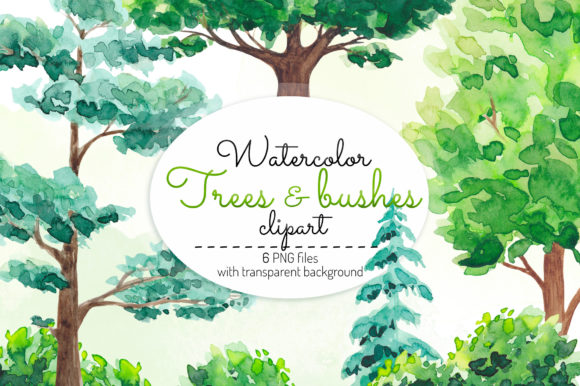
- Trees and Bushes: Vegetation provides scale and softens the hardscape. A diverse library of greenery enables realistic density modeling, crucial for conveying the atmosphere of a proposed garden or park.
By leveraging these specific components, creators can construct narratives that guide the viewer’s eye logically through the space. This structured approach supports educational goals as well, making it easier for educators and publishers to explain urban ecology or landscape architecture principles to students and the general public.
Contextual Application and Decision-Making
Knowing when to use isometric assets is as important as knowing how. These elements are particularly powerful in scenarios requiring schematic representation rather than photorealism. For instance, if you are developing a mobile application for city navigation or a strategy game involving city building, isometric graphics provide the necessary detail without the heavy processing power required for 3D rendering.
However, reliance on these assets without clear strategic intent can lead to generic outcomes. To avoid this, consider the following decision-making framework before integrating garden decoration vectors into your project:
- Define the Objective: Are you trying to sell a lifestyle, explain a technical layout, or entertain? The choice of elements should align with this goal. A luxury real estate brochure might require more detailed, ornate fountain designs, while a civic planning document might prioritize clear, simple bench placements.
- Audience Analysis: Who is viewing this? Technical professionals may appreciate the precision of EPS vector files, allowing them to inspect line weights and layers. General consumers may respond better to the colorful, accessible nature of JPG previews used in social media campaigns.
- Scalability Needs: Will the design be viewed on a billboard or a smartphone screen? Vector-based isometric elements ensure crispness at any size, protecting your brand’s professional image across all touchpoints.
Risks of Unintentional Design
While Isometric Urban Elements and Garden Deco offer significant advantages, there are risks associated with their misuse. The primary danger is "template thinking," where the ease of drag-and-drop functionality leads to lazy design. If every park looks identical because the same assets are used without customization or contextual adaptation, the result is a loss of brand identity and user engagement.
Furthermore, ignoring the cultural and environmental context of the elements can alienate audiences. For example, using tropical palm trees in a design meant for a northern European city breaks immersion and credibility. Strategic use requires thoughtful curation. You must ensure that the selected trees, bushes, and architectural details resonate with the local environment and the specific narrative you are constructing.
Another risk is over-cluttering. The charm of isometric design lies in its orderliness. Overloading a scene with too many decorative elements can obscure the main message. Effective designers use negative space strategically, allowing key features like a central fountain or a uniquely shaped bench to stand out. This restraint demonstrates professionalism and respect for the viewer’s attention.
Long-Term Value in Branding and Operations
For entrepreneurs and marketers, investing in a high-quality set of urban decoration elements is a long-term play. It establishes a visual language that can be reused across multiple campaigns, creating brand recognition. When customers see a consistent style in your park maps, event posters, and website graphics, they subconsciously associate that clarity and quality with your brand.
From an operational standpoint, having a dedicated library of assets reduces dependency on external designers for minor updates. Freelancers and small business owners can maintain agility by tweaking existing compositions rather than commissioning new artwork for every change. This autonomy empowers teams to respond quickly to market feedback or operational shifts.
Moreover, these assets support sustainability in design workflows. Digital reuse reduces the need for physical mockups and printed proofs during the early stages of planning. By refining layouts digitally using isometric urban elements, teams can minimize waste and focus resources on the final implementation phase.
Practical Tips for Integration
To maximize the impact of your Isometric Urban Elements and Garden Deco, consider these practical steps:
- Layering Strategy: Use separate layers for ground, vegetation, and structures. This allows for easy adjustments and animations if you are moving into digital media.
- Color Palette Harmony: Even within a pre-made set, adjust hues slightly to match your brand colors or the seasonal context of the project. A cohesive color story strengthens the emotional impact of the design.
- Scale Consistency: Always verify that the size of the benches relative to the trees makes sense. Inconsistent scaling is the quickest way to break the illusion of depth and professionalism in isometric art.
- Storytelling Through Placement: Don’t just scatter elements randomly. Create paths, gathering spots, and quiet corners. Let the arrangement of bushes and fountains suggest human activity and interaction.
In conclusion, Isometric Urban Elements and Garden Deco are not merely decorative clips; they are strategic instruments for clearer communication, efficient planning, and stronger branding. By approaching their use with intentionality, understanding the context, and adhering to principles of good design, professionals across various industries can achieve better results. Whether you are designing a virtual world or planning a real-world community space, these tools help bridge the gap between concept and reality, ensuring that your vision is understood, appreciated, and effectively executed.